Audubon Style - Dramatic Naturalism - Havell’esc
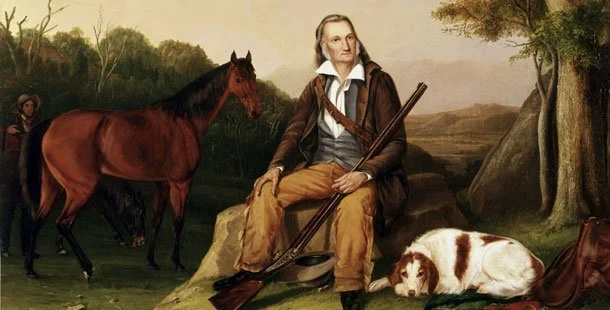
John James Audubon
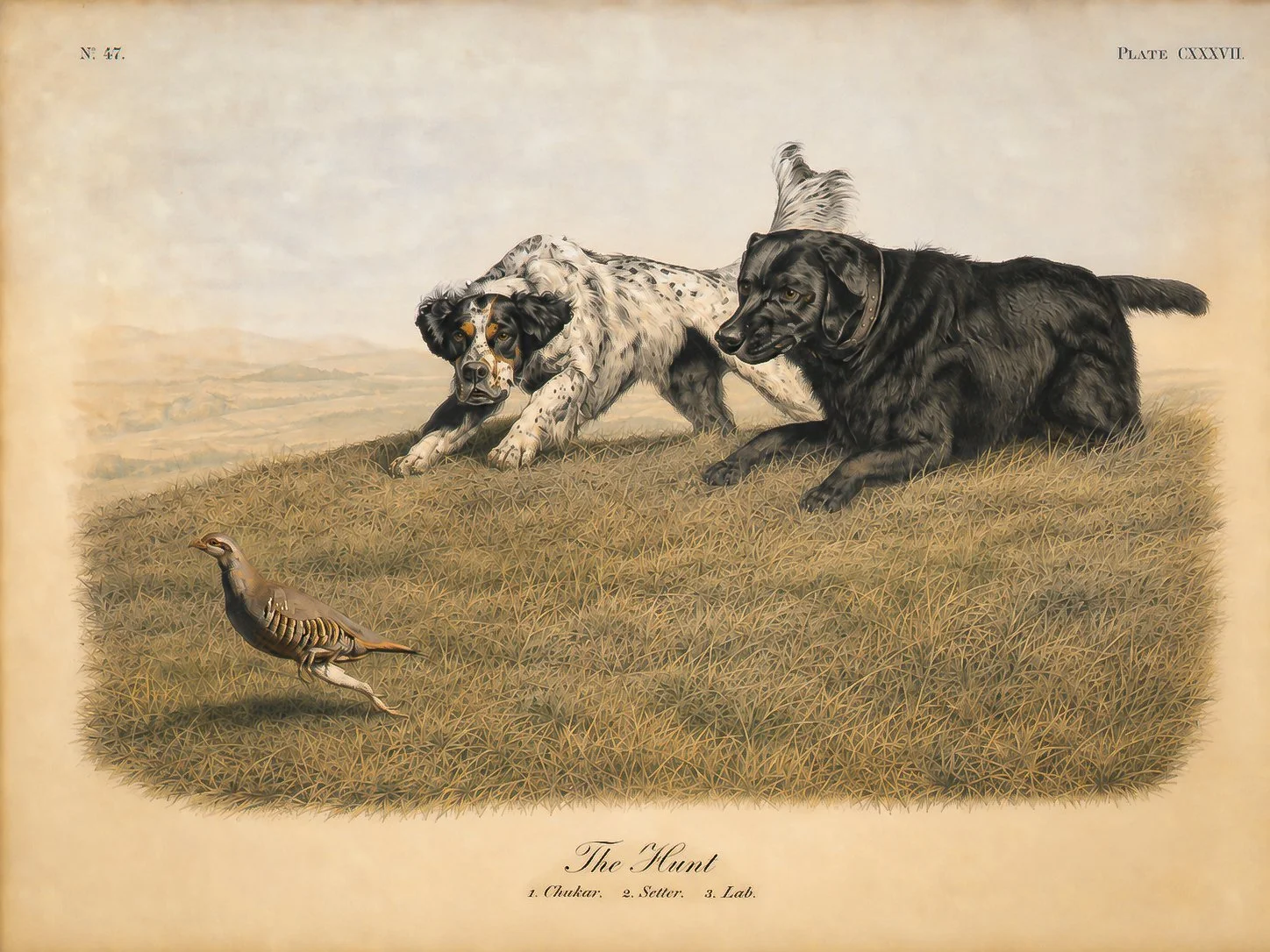
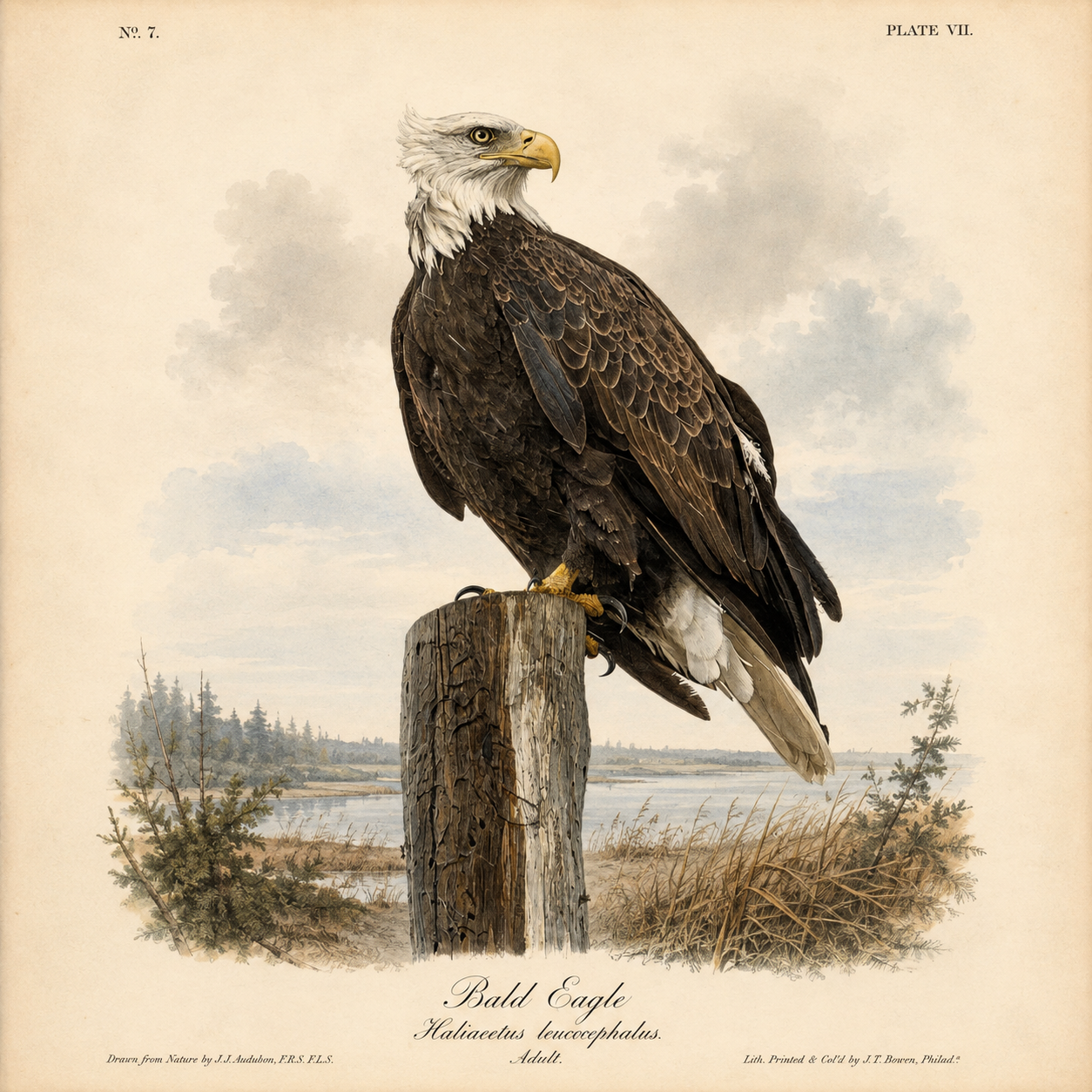
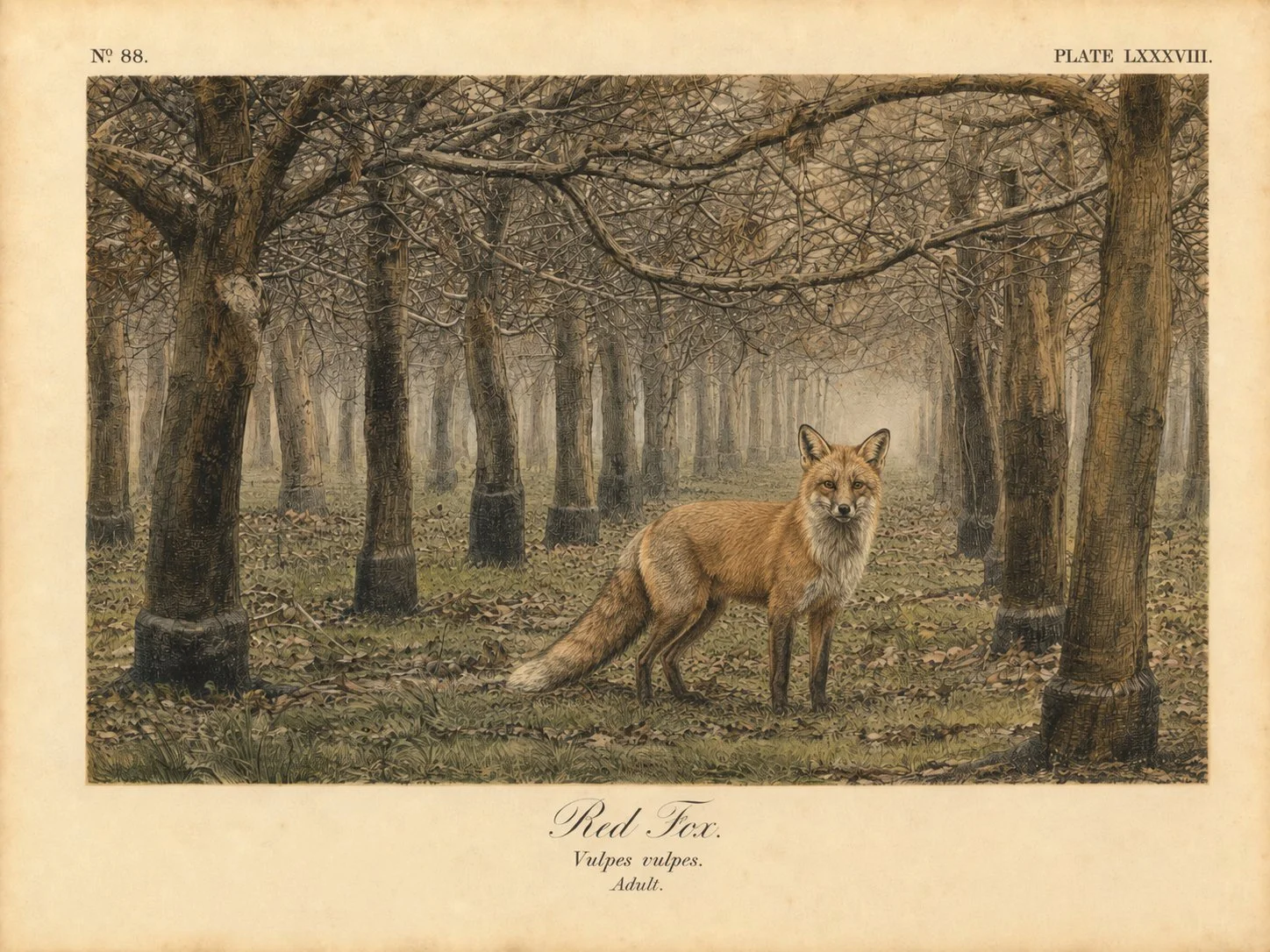
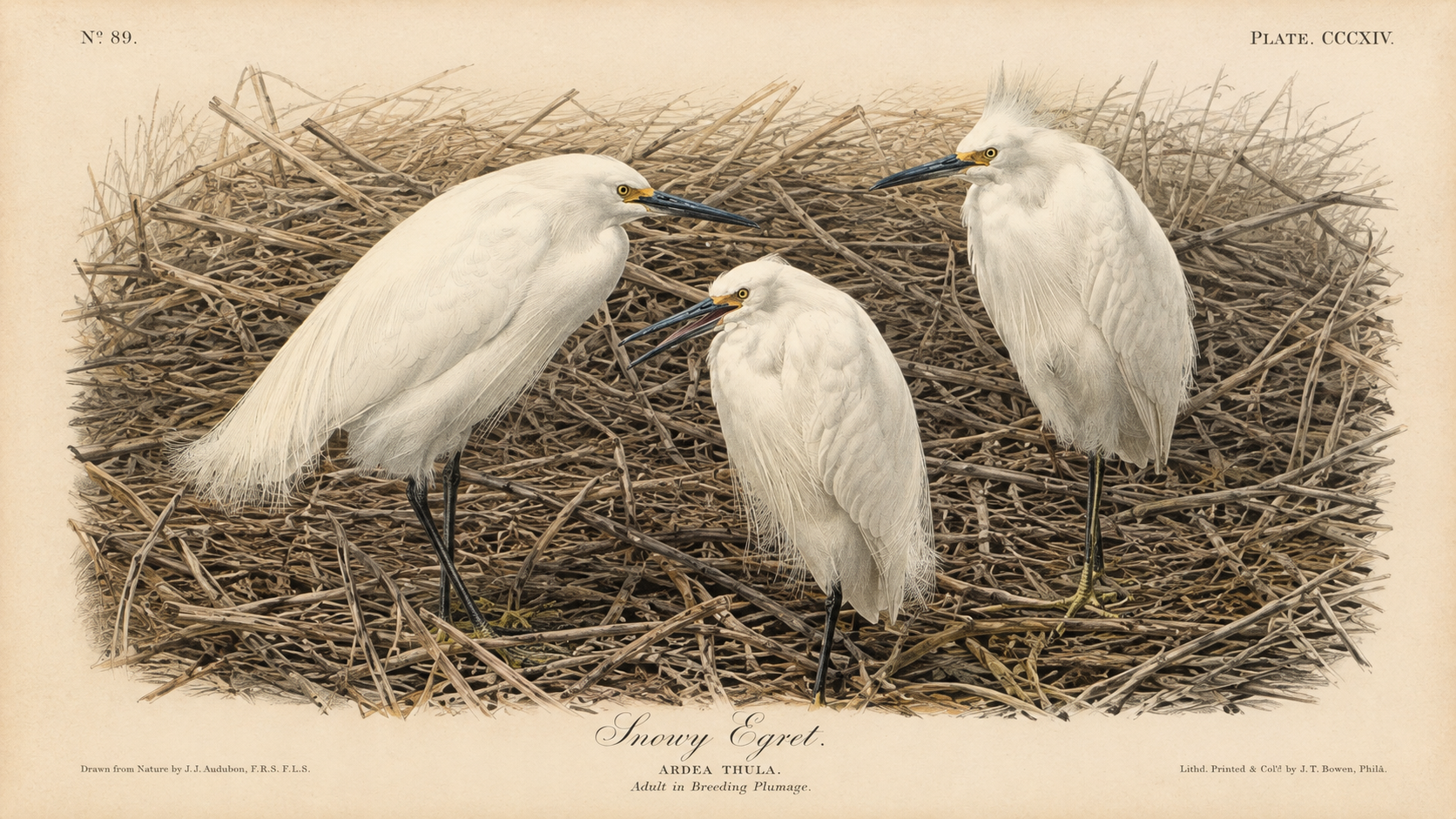
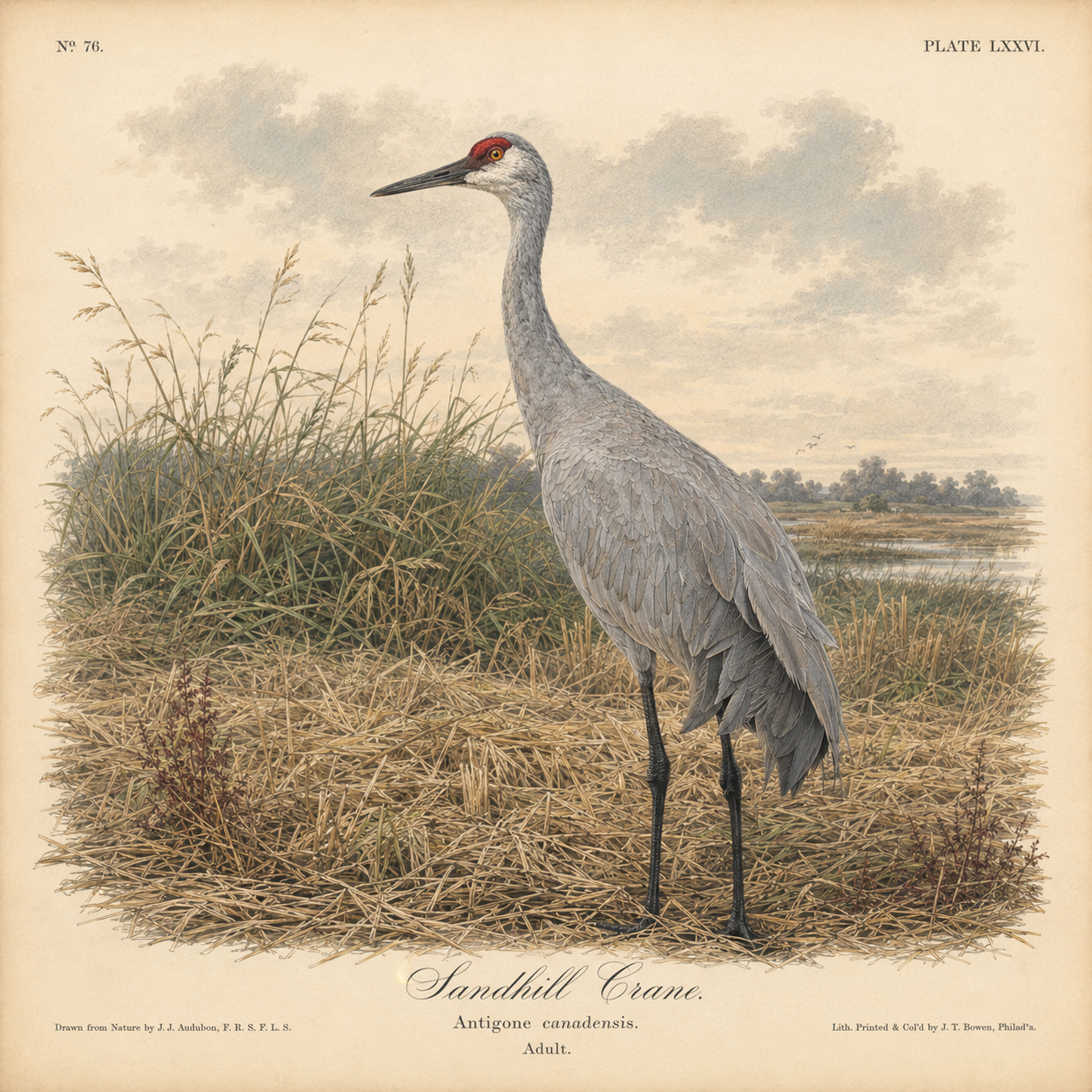
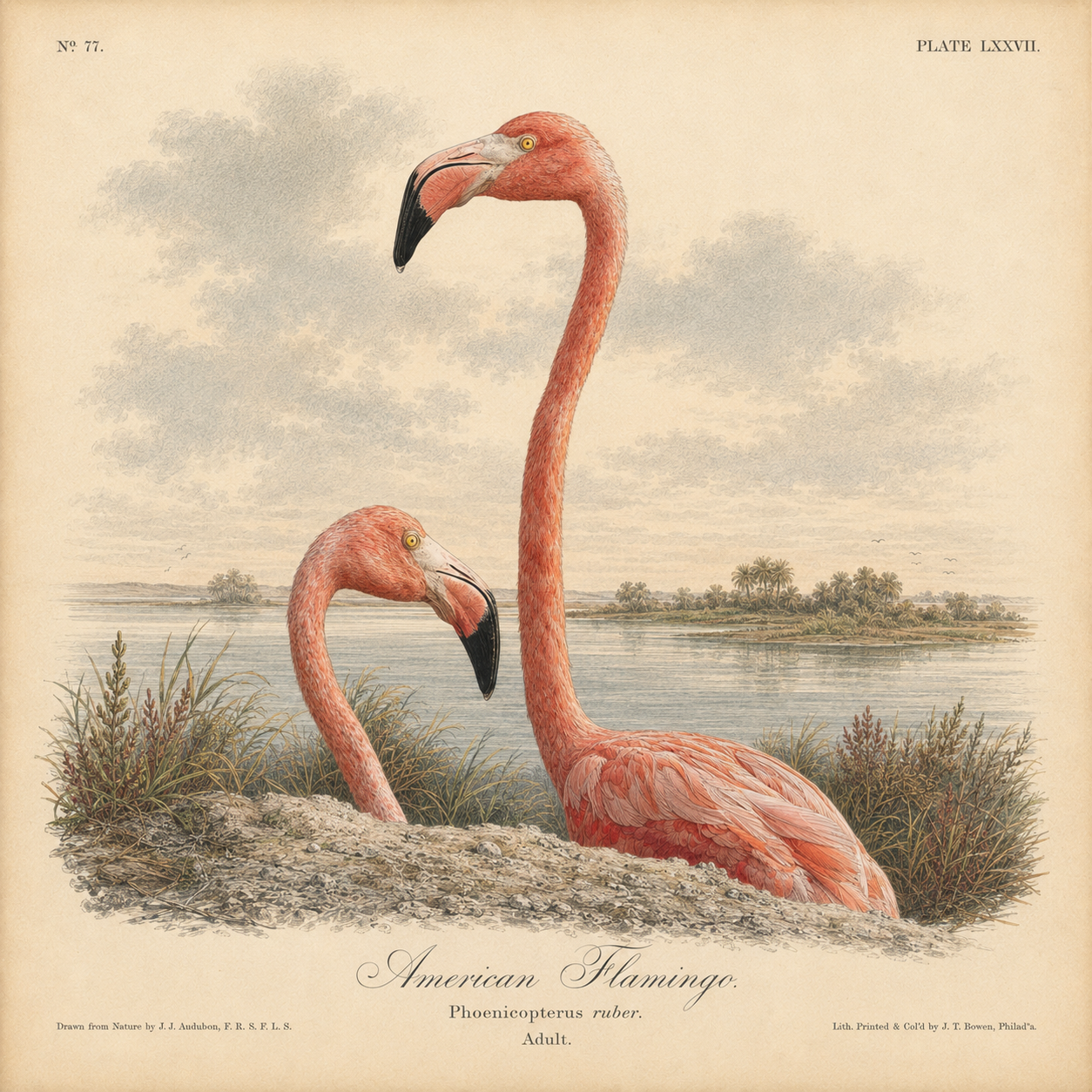
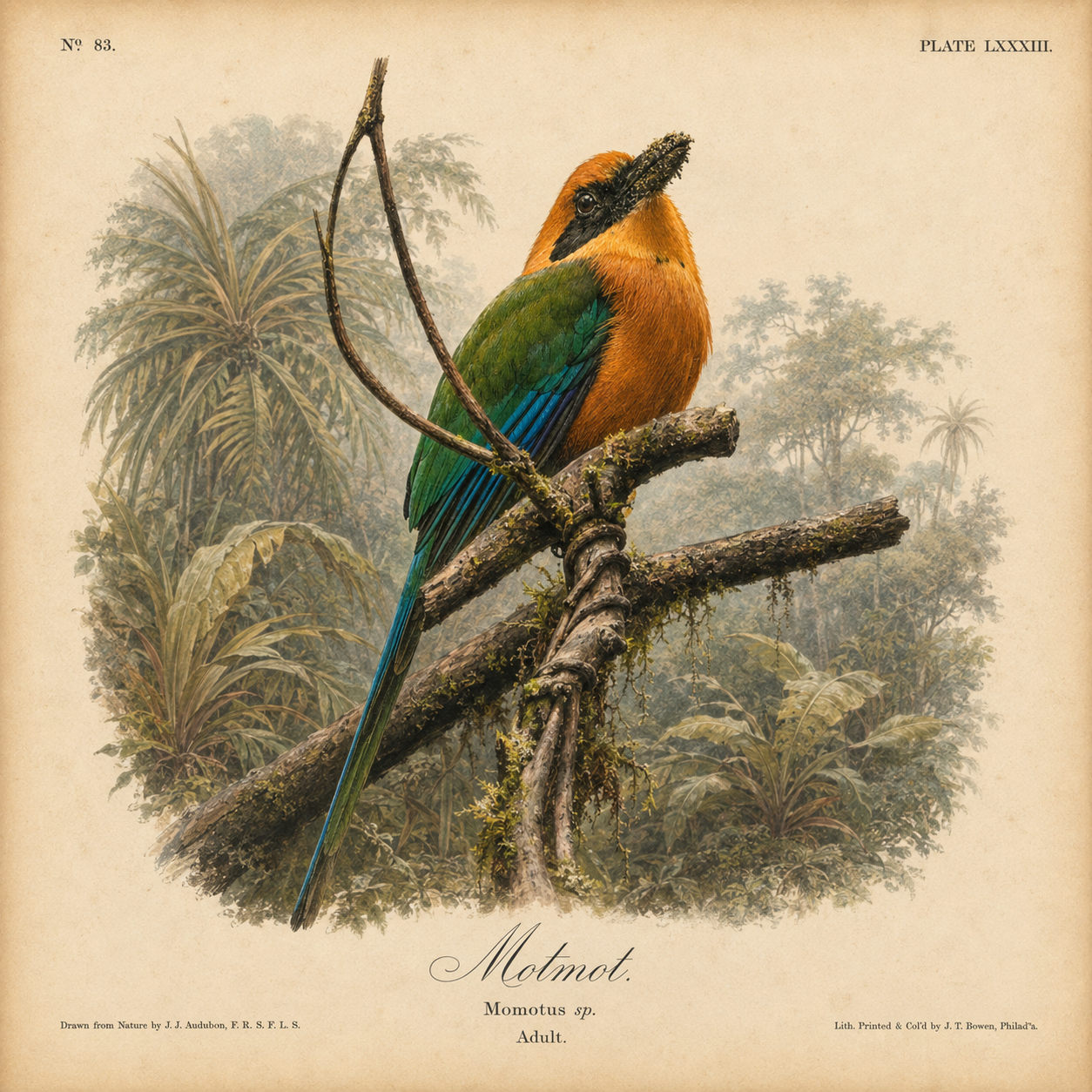
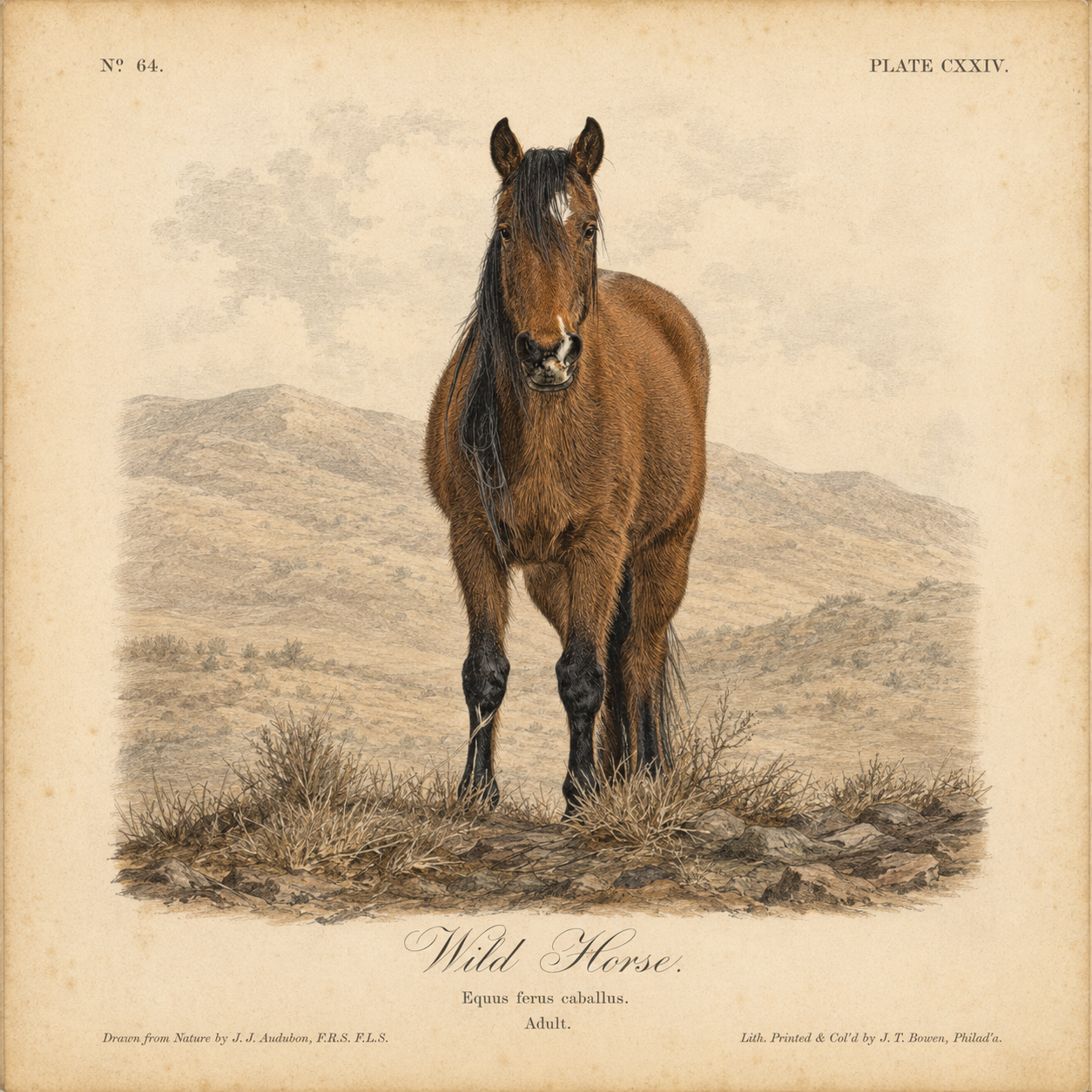
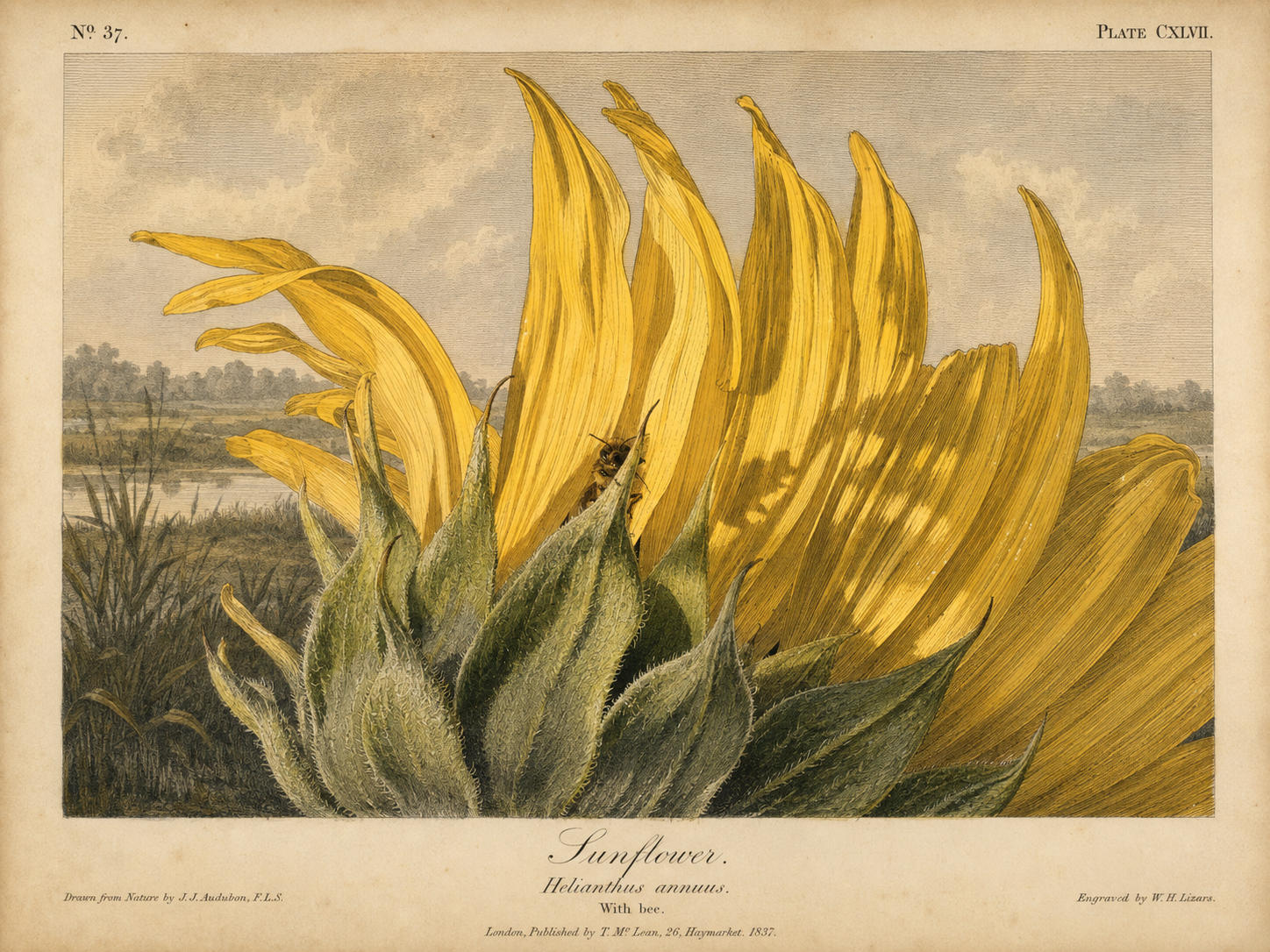
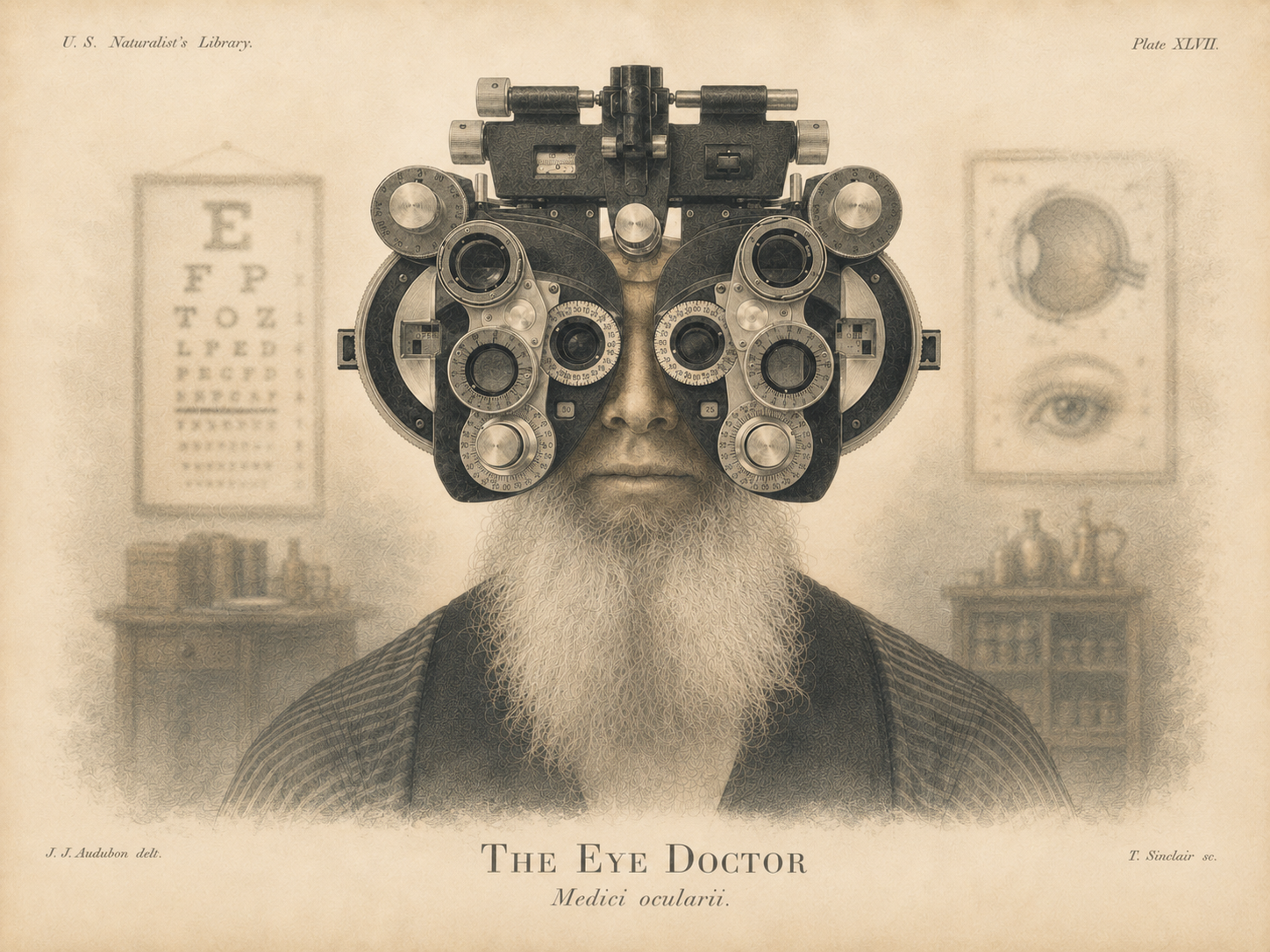
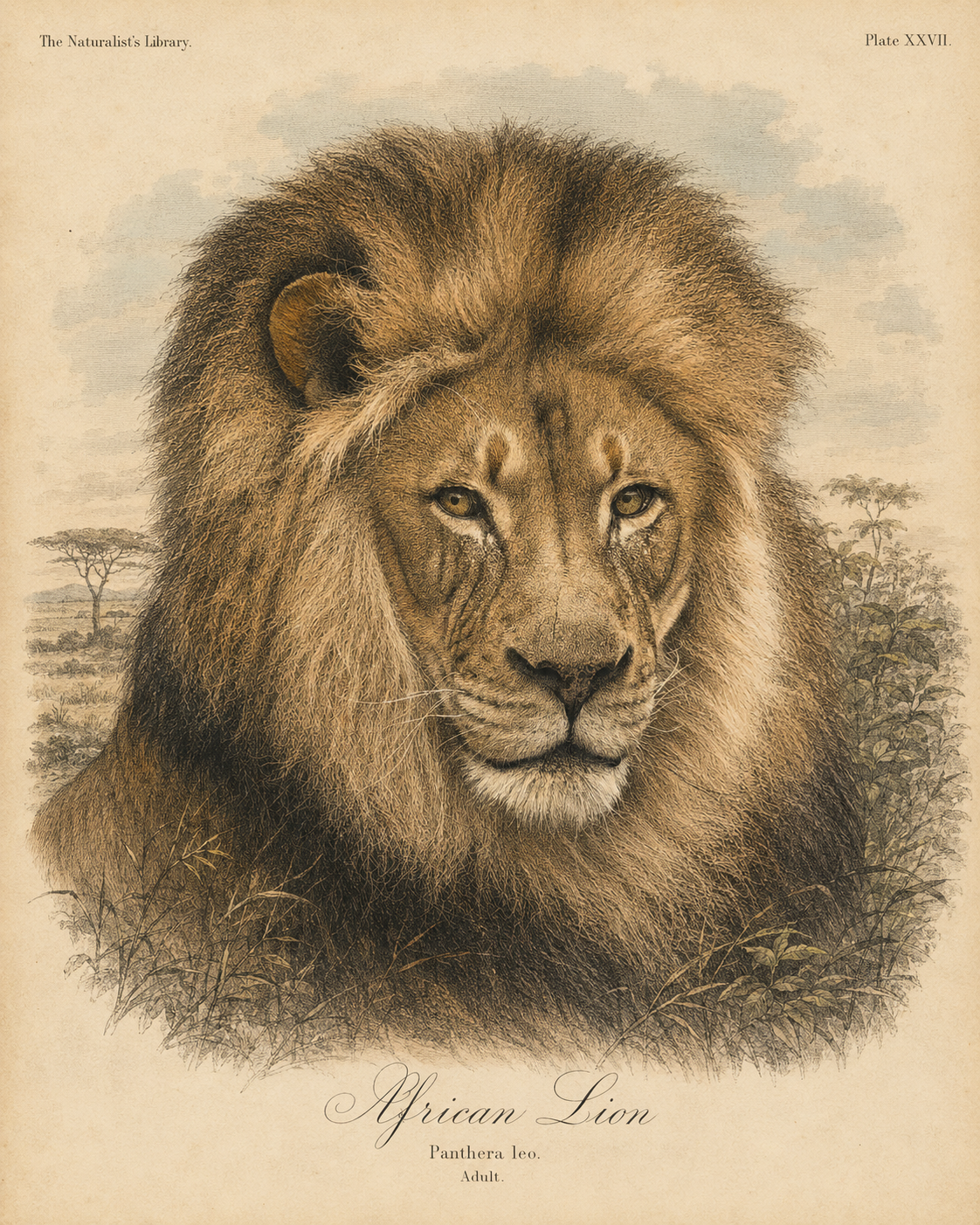
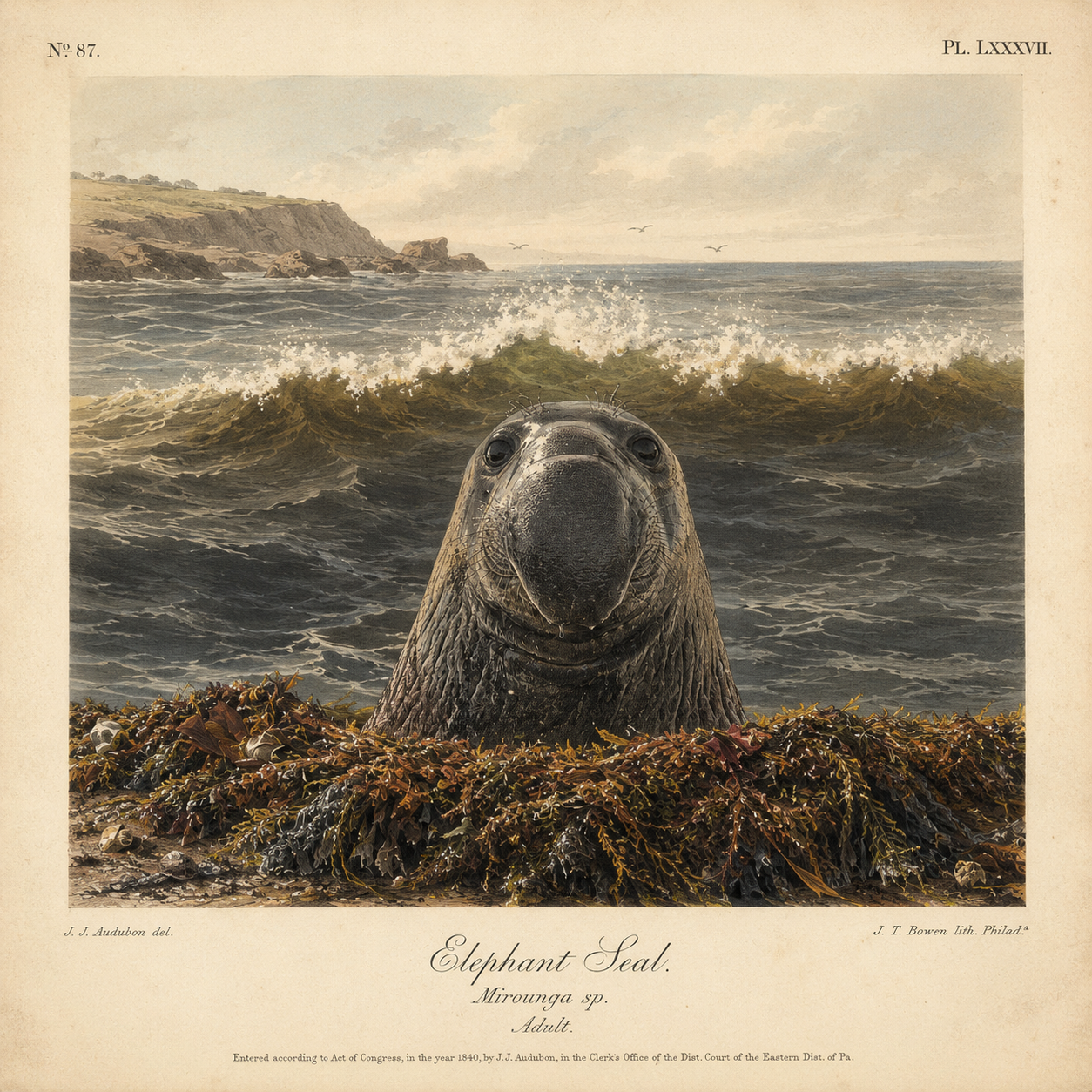
These Aren't Old Prints. They're My Photos, after reverse diffusion by a GPU.
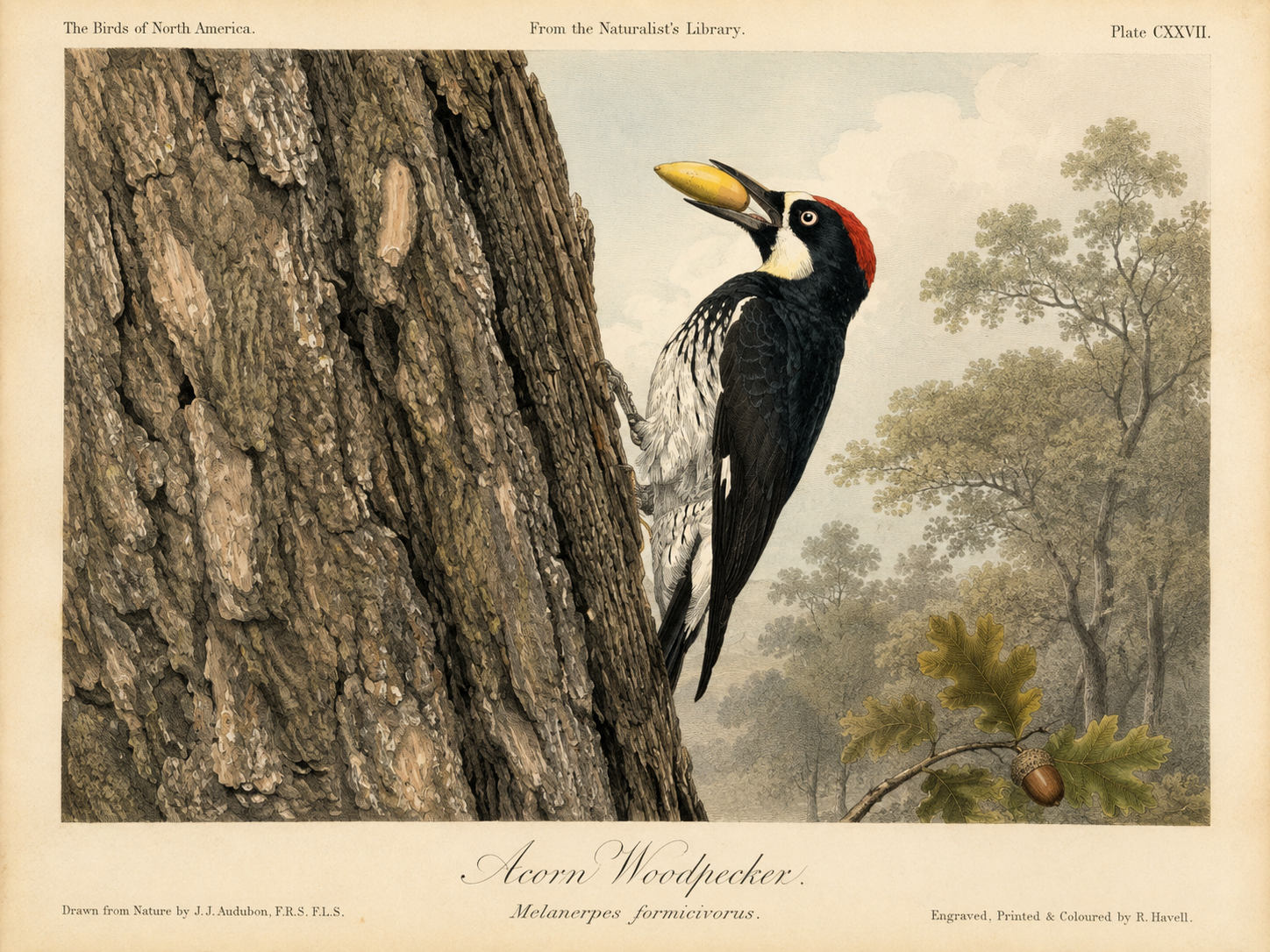
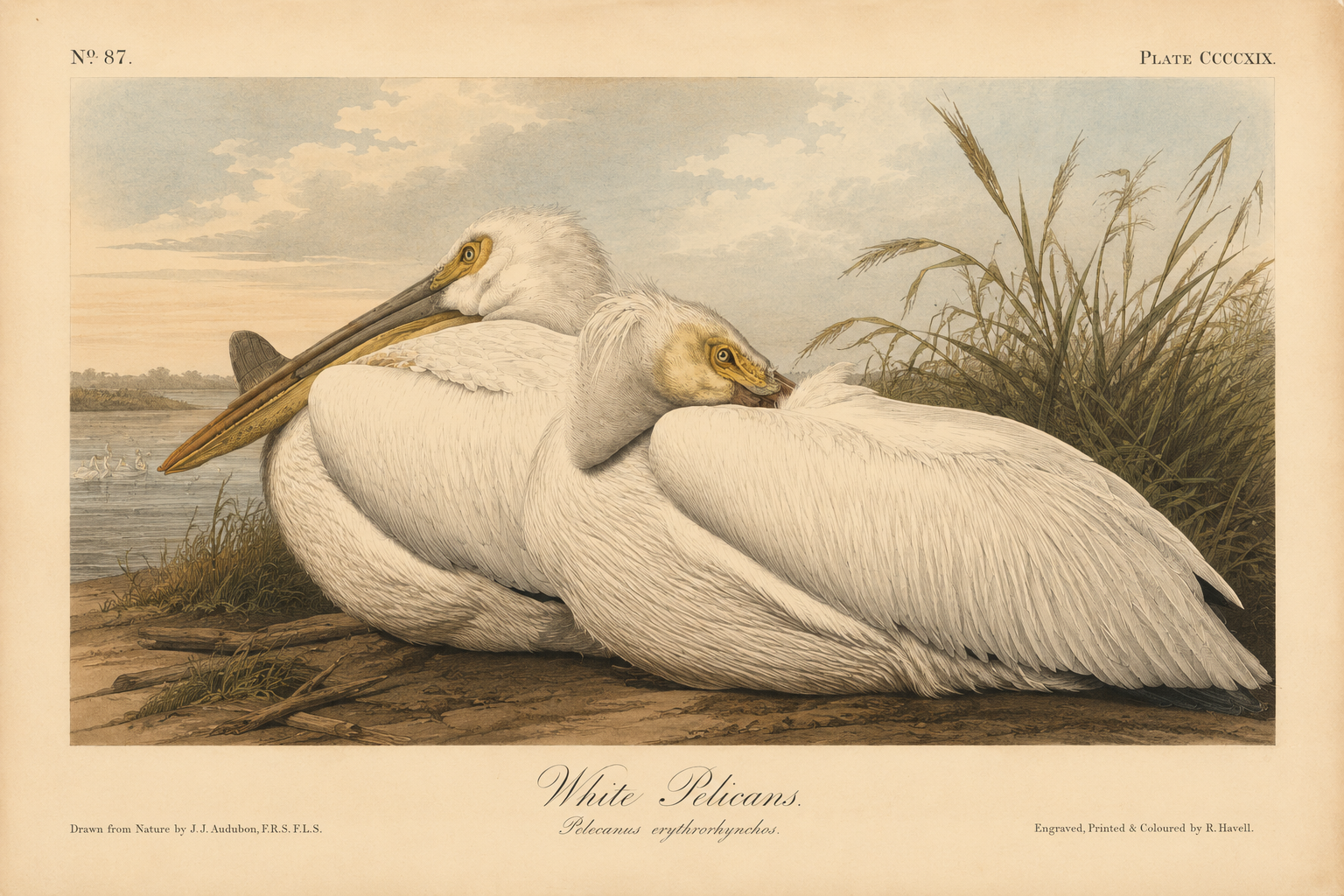
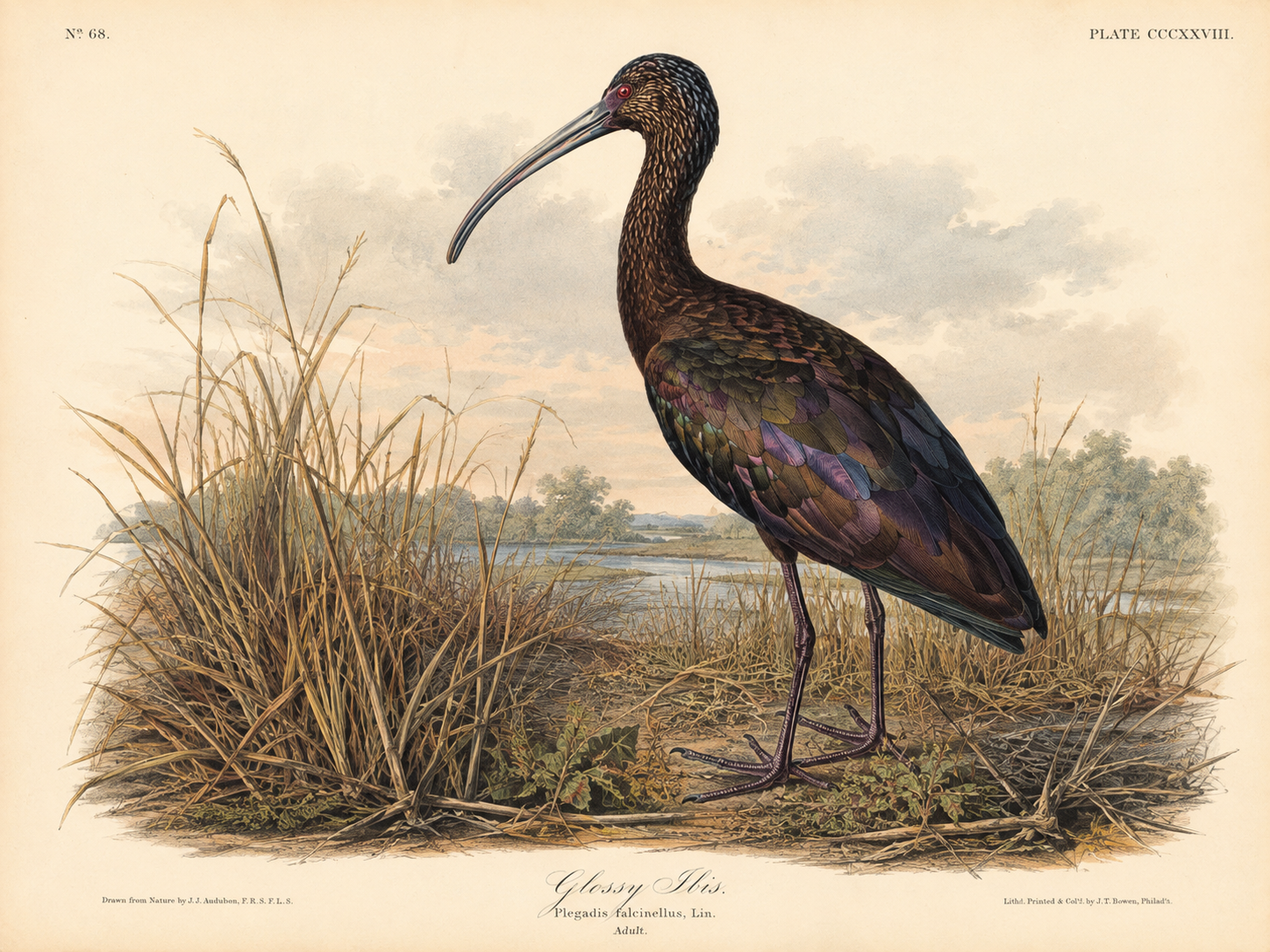
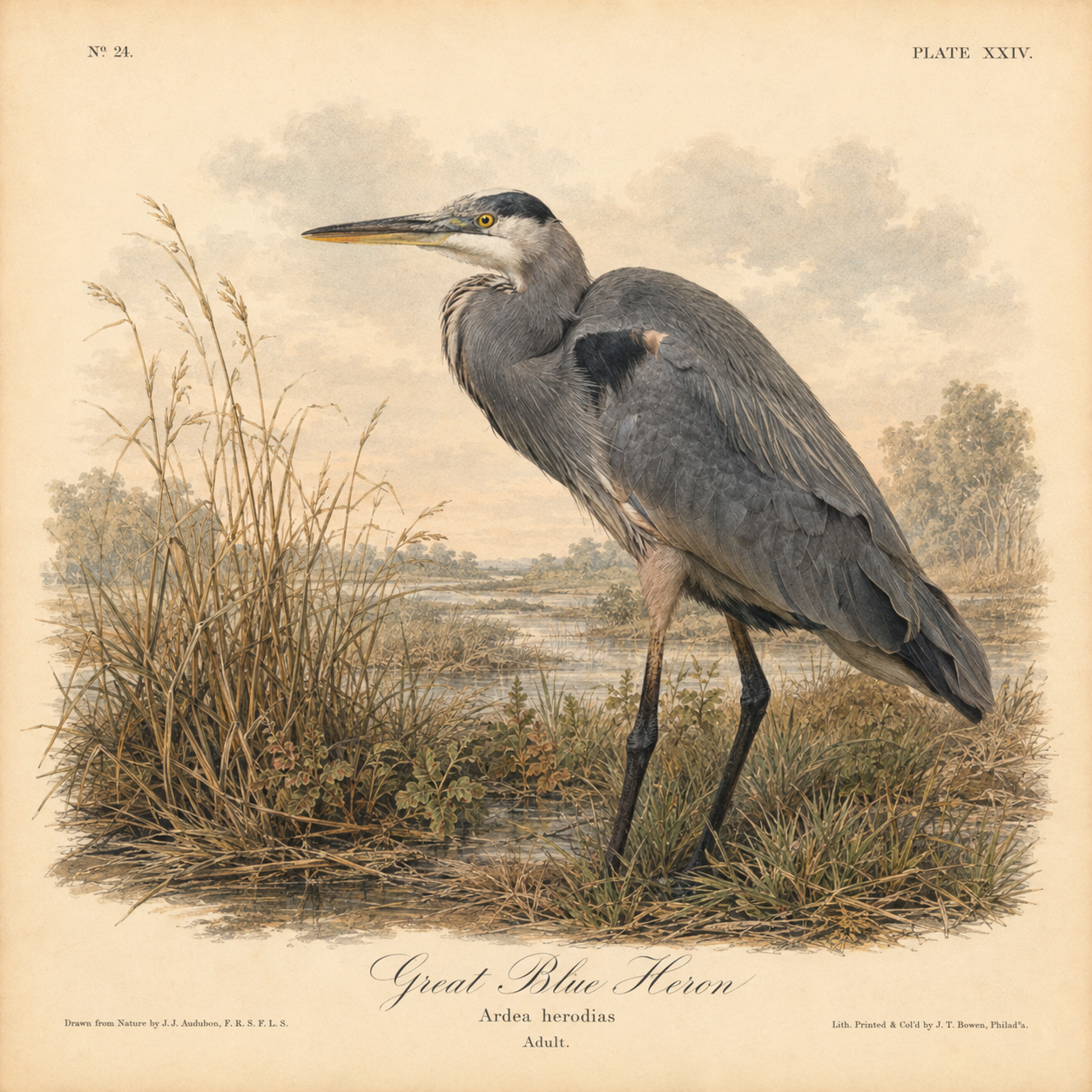
Quick disclosure - every image in this post started as one of my own photographs. I played with them in an image generator to reimagine them in the style of Audubon's old engravings — the hand-colored, slightly theatrical look from Birds of America. So no, I didn't paint them myself - that is beyond my pay grade. Producing these images still takes a lot of time, some expertise, and definitely stimulates the creative parts of the brain - plus it’s just fun. So I thought I would share the output.
Audubon — the guy whose style I just borrowed was not out here with a long lens waiting patiently in a blind. First, he shot the birds. Then he'd wire the still-warm body into a lifelike pose on a board with a grid he'd rigged up, and paint like hell before the corpse stiffened or the colors faded. That's the actual secret to why his birds look so alive — he was drawing from something that, twenty minutes earlier, had been alive too. For some species, he'd go through dozens of individuals just chasing one perfect pose. Kinda crazy for the most famous ornithologist and naturalist to also have been a great white hunter.
A few things I didn't know until I went down this rabbit hole: Audubon wasn't American by birth — born in Haiti, raised in France, didn't even go by "John James" until he moved to the U.S. He was terrible at business. Failed at running a store, a mill, and eventually debtor's prison, all before Birds of America took off. No American publisher wanted the project, so he took it to England — which is why the actual engraving credit on the plates belongs to a London printer, Robert Havell Jr., not anyone stateside. Two of the birds he painted like they'd be around forever — the Carolina Parakeet and the Passenger Pigeon — don't exist anymore. His plates of them are basically the last portraits. He probably wasn’t the reason they went extinct - but… Turns out he may not have been the greatest guy in other parts of his life either - so, don’t look him up if you don’t want to know. Fallen hero’s and all.
“...nature indifferently copied is far superior to the best idealities.”
“The woods would be very silent if no birds sang except those who sang the best.”
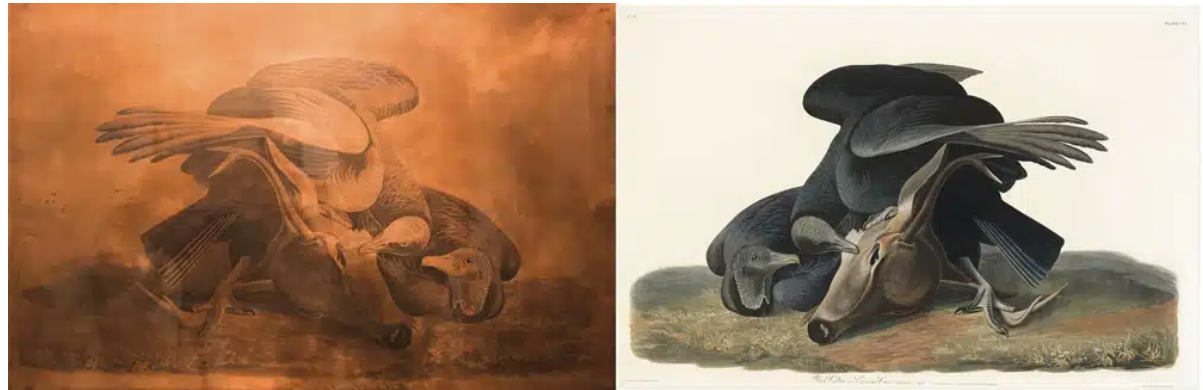
Incised copper plate used to render the print on the right, Audubon’s Havell edition aquatint-etching of the Black Vulture or Carrion Crow
“Keep a green tree in your heart and perhaps a singing bird will come”
“The sound of birds stops the noise in my mind”
https://www.yourbrainonart.com/
Walking outside with a camera, looking for a bird worth shooting, framing the shot, then going home and reworking it into something new — that whole loop is basically a workout for your brain. Not metaphorically. Neuroaesthetics is a growing scientific study built around research showing that creative and aesthetic experiences measurably change your nervous system, your stress response, your mood, and your cognition. Being outside, noticing light and color and movement, then translating that into an image — you're stacking multiple benefits into one afternoon. Check out the link - it is a great book to read!
Using AI as part of that loop isn't cheating. It's a tool, same as a paintbrush or a camera lens is a tool. The only thing that makes it dishonest is pretending you didn't use it — which is exactly why I'm telling you up front that these started as my photos and got AI-reworked into Audubon's style. Own the tool, use it, have fun with it. Get outside - walk - run - create!!! That is my best medical advice to keep your brain healthy. Use it or lose it.